
The Intelligence of a Place.
Alex Woods writes for Time ∴ Tide, an independent editorial journal exploring craftsmanship, design, libations, hospitality and contemporary culture through the enduring relationship between people, place and time. Time & Tide reporting spans libations, architecture, gastronomy, travel, fashion, art and design, not as separate disciplines, but as different expressions of a shared pursuit: The creation of lasting value. Whether visiting a centuries-old winery, speaking with a master distiller, profiling an architect / fashion designer or documenting a cultural institution, we are guided by the same curiosity: How excellence is cultivated, refined and passed from one generation to the next.
We were delighted to read how Ata Rangi manifested for Alex. His writing is thoughtful, and however he managed it, he has found connection to our culture.
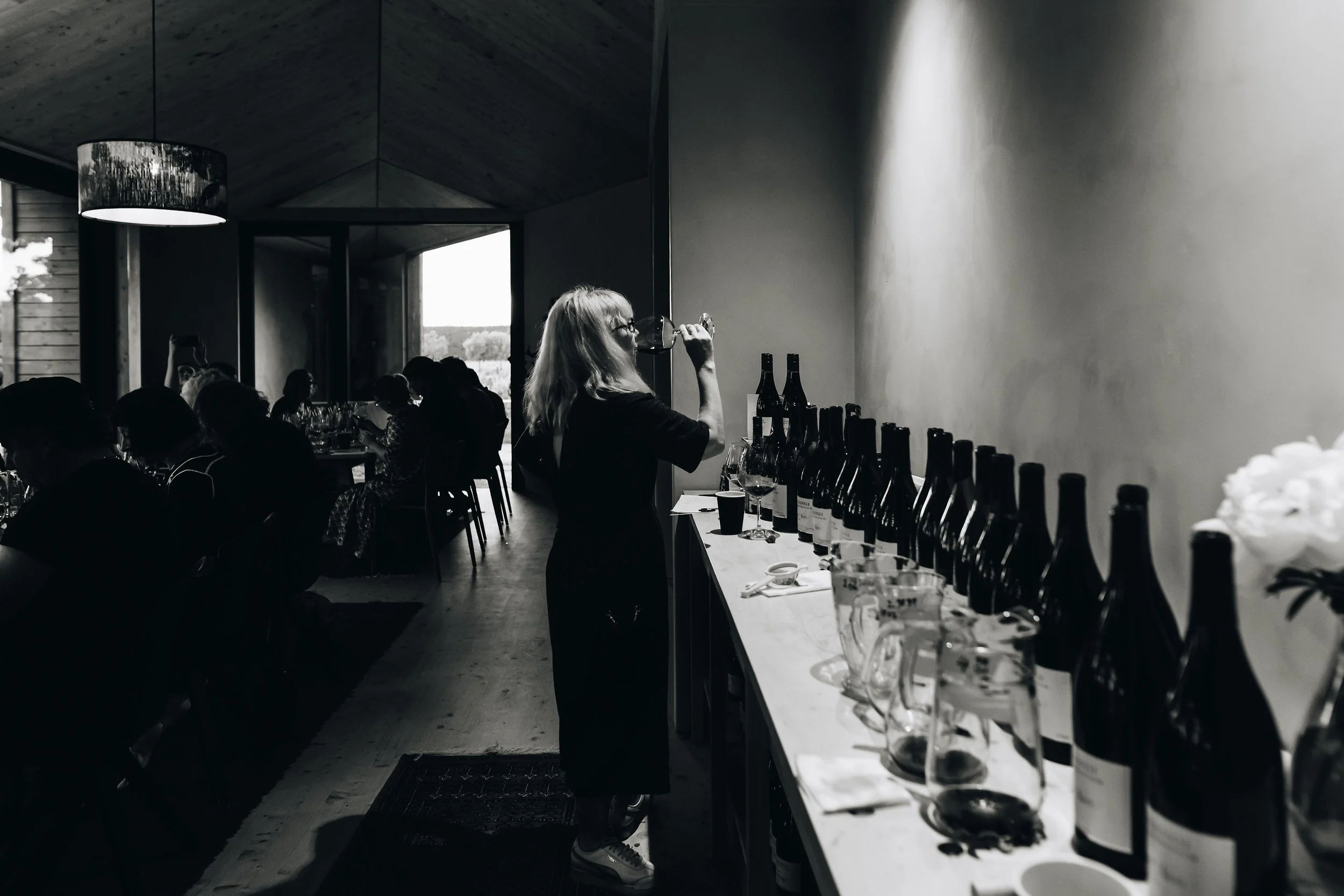
The Intelligence of a Place: Helen Masters on Ata Rangi, Martinborough and the Long Memory of Pinot Noir
By Alex Woods
Some vineyards make an impression quickly. Others take decades to acquire authority.
Ata Rangi belongs firmly to the second category.
When Clive Paton planted Pinot Noir on a stony sheep paddock in Martinborough in 1980, the region was hardly an obvious candidate for international wine fame. In retrospect, the decision looks visionary.
At the time, it required something less remarkable: Faith.
More than four decades later, those original vines are approaching fifty years of age, the estate farms more than seventy individual vineyard sections, and Ata Rangi has become has become one of the names closely associated with Martinborough’s rise as a serious source of Pinot Noir.
Yet geography alone does not explain the estate's identity.

Martinborough supplies the raw material - warm days, cool nights, low rainfall and long, dry
autumns that allow Pinot Noir to ripen slowly while retaining acidity and developing fine tannins. Ata Rangi's achievement has been knowing when to interfere and, perhaps more importantly, when not to.
The wines tend towards perfume, savoury detail, fine-grained tannin and length rather than brute force. Red fruit is there, but it is not left unattended; spice, earth, florals and acidity complicate matters. The result is Pinot Noir with poise rather than volume. It does not enter the room shouting its credentials. It assumes you'll notice. That restraint extends into the vineyards. Different soils, clones and vine ages are deliberately preserved rather than streamlined into one supposedly perfect formula.
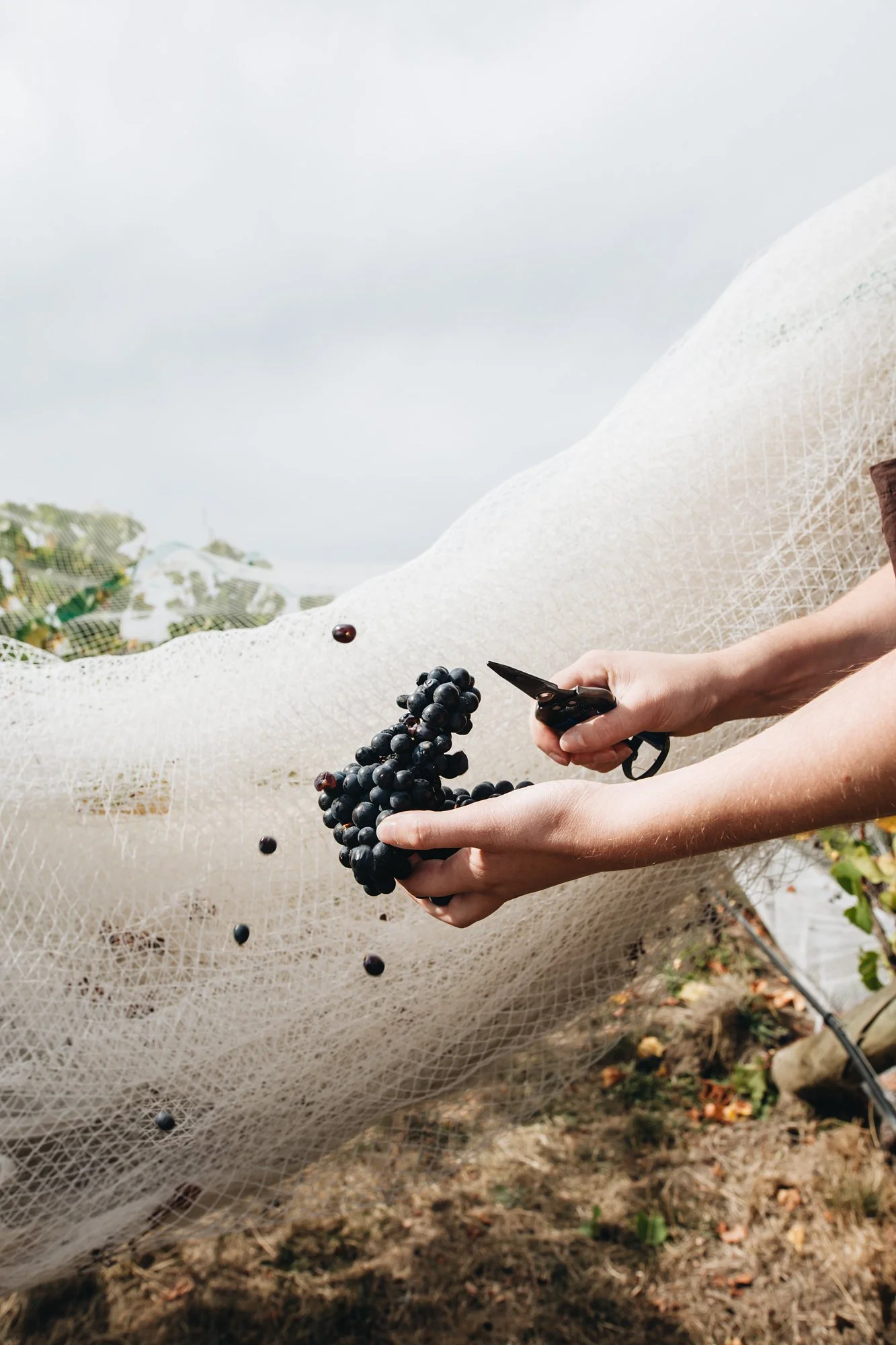
McCrone, Kotinga and the Masters Vineyard each offer their own interpretation of Martinborough, while retaining the unmistakable Ata Rangi accent.
Then there is the Abel, or “Gumboot”, clone - one of those apparently small episodes that turns out to have rather large consequences. In 1980, Paton obtained Pinot Noir budwood from Malcolm Abel's Auckland vineyard. The material planted at Ata Rangi subsequently became the source of one of New Zealand's most recognised Pinot Noir clones.
Wine history likes grand gestures. Occasionally it is written with a pair of secateurs.
The same patience informs the estate's organic farming. Soil health, biodiversity, native planting and clonal diversity are treated as matters of long-term resilience rather than decorative sustainability language. The vineyard is not being bullied into uniformity; it is being encouraged to become more capable of looking after itself.
In the cellar, Helen Masters has developed a similarly unobtrusive approach. Techniques such as whole-bunch fermentation are used when they serve the vintage, not because a winemaker needs another item for the back label. And then comes the decision that can make or break everything: When to pick. It sounds almost insultingly straightforward. It isn't. Pick too early and the wine can lack flesh; too late and perfume can become fruitiness, tension can soften and the vineyard's particular voice can disappear beneath ripeness.

After twenty years at Ata Rangi, Helen Masters has made that call often enough to know that the vineyard is less interested in developing predictable habits than in keeping everyone suitably humble.
Her thoughts on the 1994 and 2024 vintages illuminate that relationship. The 1994 remains a benchmark, still possessing extraordinary sensuality after more than three decades. Yet Masters considers 2024 even more exceptional, benefiting from an outstanding season and something less romantic but equally important: older vines, better farming and decades spent learning how the land behaves.
That is Ata Rangi's particular form of progress. Not reinvention for its own sake, but increasing precision.
The estate has spent more than forty years discovering that knowing a place intimately does not make it predictable. It simply makes you better equipped to notice when it surprises you. Which brings us neatly to Helen Masters, now two decades into that ongoing education. What follows is a conversation about Pinot Noir, place, patience and the rather humbling realisation that, however experienced the winemaker, the vintage still gets the final word.
To read through the considered questions Alex has asked of Helen, please visit the full article at Time & Tide